
What should you eat for psoriasis? Focus on anti-inflammatory whole foods: oily fish, leafy greens, colourful vegetables, fruit and healthy fats like olive oil. These supply the omega-3s and antioxidants linked to calmer skin, and they naturally crowd out the processed foods that tend to make flares worse.
No food clears psoriasis on its own. But shifting the balance of your plate toward these staples is the simplest change with the most evidence behind it. Here is what to prioritise and why.
The best foods to eat with psoriasis
| Food group | Why it helps |
|---|---|
| Oily fish (salmon, sardines, mackerel) | Omega-3 fats with anti-inflammatory effects |
| Leafy greens & cruciferous veg | Antioxidants and fibre |
| Colourful vegetables | Polyphenols that calm inflammation |
| Berries & low-sugar fruit | Antioxidants without a big sugar spike |
| Olive oil, nuts, seeds | Healthy fats that replace saturated fat |
For the foods to pull back on, see the worst foods for psoriasis. This article is the other half of that pair.
Omega-3 fish is the single best addition
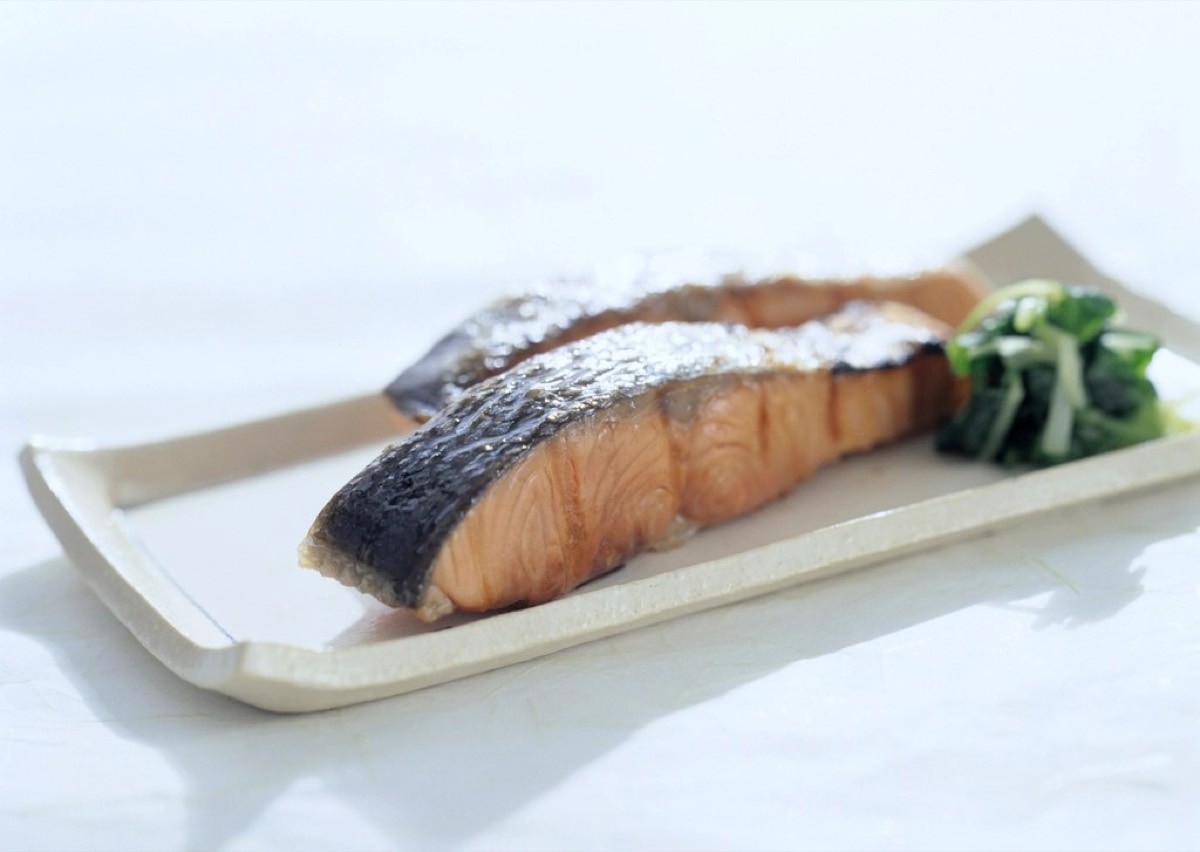
Oily fish is the most evidence-backed food to add. Salmon, sardines and mackerel deliver omega-3 fatty acids, which counter the inflammatory pathways involved in psoriasis. Two to three servings a week is a realistic target. If you do not eat fish, an omega-3 supplement is a reasonable alternative — discuss it with your doctor first.
Vegetables, greens and fruit do the heavy lifting
Vegetables and fruit supply the antioxidants and fibre that support a calmer immune response and a healthier gut. Aim to make them the largest part of every plate. Leafy greens, broccoli, cauliflower and colourful vegetables are ideal; berries give you sweetness without the sugar spike that drives inflammation.
Healthy fats over saturated fats
Swapping saturated fat for healthy unsaturated fat is a quiet but useful change. Use olive oil instead of butter, and snack on nuts and seeds instead of processed options. This shift lowers the pro-inflammatory load of your diet without you having to count anything.
How to build an anti-inflammatory plate
You do not need a perfect diet — aim for a rough 80/20 balance of these healing foods to occasional triggers. Fill half your plate with vegetables, add a palm of protein (ideally fish a few times a week), and choose whole-grain or starchy sides over refined ones. Keep it sustainable; consistency over weeks beats a strict plan you abandon.
The only way to know if it is working for you is to track it. With MySkinly you log meals by a simple traffic-light colour and watch your daily Skin Score, so the link between eating well and calmer skin becomes visible instead of guessed. See the complete psoriasis diet guide for the full picture. For a ready week, see the 7-day psoriasis meal plan.
FAQ
What is the best diet for psoriasis?
There is no single proven diet, but an anti-inflammatory pattern — rich in oily fish, vegetables and healthy fats, low in processed food and sugar — has the most support. Treat it as a base and adjust around your personal triggers.
Do supplements help psoriasis?
Omega-3 and vitamin D are the most discussed. Evidence is mixed and they are not a cure, so treat them as a possible add-on, not a replacement for diet or medical treatment, and check with your doctor.
How quickly will eating better help my skin?
Expect weeks, not days. Skin fluctuates daily, so track over 4–8 weeks of consistency before judging whether the change is working for you.