
Can what you eat improve psoriasis? For many people, yes — changing your diet will not cure psoriasis, but a large share of people report fewer and milder flares after adjusting how they eat. Psoriasis is an inflammatory condition, and food is one of the few levers you can pull every single day.
This guide covers what to eat, what to avoid, what the evidence actually supports, and — most importantly — how to find the triggers that are specific to you. It is written from personal experience, not as medical advice.
Does diet actually affect psoriasis?
Diet can influence psoriasis for many people, though it works differently from person to person and is never a guaranteed fix. Psoriasis is driven by systemic inflammation, and several foods either fuel or calm inflammatory pathways. In surveys, a meaningful share of people with psoriasis report improvement after dietary changes — but the response is highly individual, and clinical evidence is still limited.
The practical takeaway: treat diet as a personal experiment, not a universal prescription. A food that clearly triggers one person may do nothing to another. That is exactly why tracking your own food and skin over weeks beats following any single "psoriasis diet" blindly. For the evidence behind this, see does diet really help psoriasis?.
What foods should you avoid with psoriasis?
The most commonly reported psoriasis trigger foods are nightshades, red and processed meat, added sugar, alcohol, dairy and gluten. These are either linked to higher inflammation or named again and again by people who track their flares. You do not need to remove all of them at once — the goal is to find which ones affect you.
| Food group | Why it is flagged | How common as a trigger |
|---|---|---|
| Nightshades (tomato, potato, pepper, eggplant) | Contain solanine; widely reported | Very common |
| Red & processed meat | Pro-inflammatory saturated fat | Common |
| Added sugar | Spikes inflammation | Common |
| Alcohol | Linked to flares, lowers treatment response | Common |
| Dairy | Inflammatory for a subset of people | Moderate |
| Gluten | Strong link if you are gluten-sensitive | Varies |
Nightshades are the trigger most people discover first. The Pagano approach puts them firmly in the "avoid" column — see the practical Pagano diet guide for the full food map. For a closer look at each trigger, see the worst foods for psoriasis.
What should you eat instead?
Build your plate around anti-inflammatory whole foods: vegetables, fruit, oily fish and healthy oils. These supply the antioxidants and omega-3 fats associated with calmer skin, and they naturally crowd out the processed foods that tend to make flares worse.
Good staples to lean on:
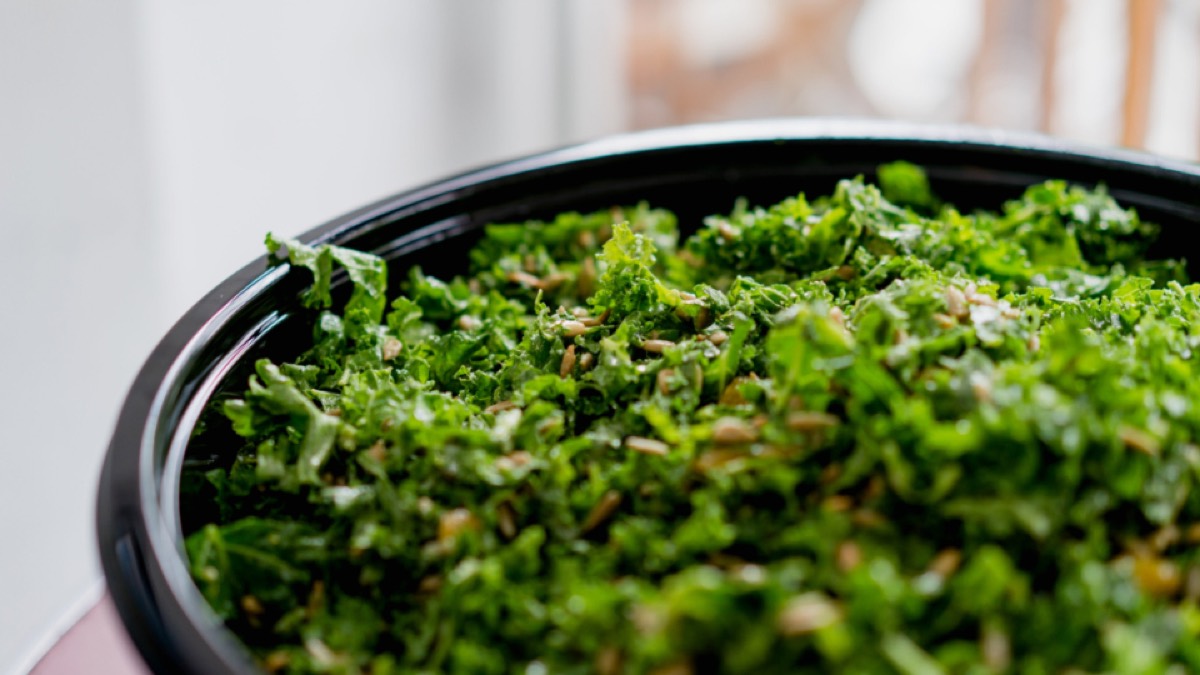
- Leafy greens and cruciferous vegetables (kale, spinach, broccoli, cauliflower).
- Berries and other low-sugar fruit.
- Oily fish — salmon, sardines, mackerel — a few times a week.
- Olive oil, nuts and seeds for healthy fats.
You do not have to eat perfectly. A rough 80/20 balance of healing to trigger foods is enough for most people to see whether diet moves their skin at all.
How do you find your personal triggers?
The reliable way to find your triggers is an elimination-and-reintroduction approach paired with tracking. Remove the common suspects for a few weeks, let your skin settle, then reintroduce one food at a time while watching how your skin responds. Memory is unreliable here — "I think the tomatoes did it" is a guess, not data.
That is the whole reason MySkinly exists: you log meals by a simple traffic-light color, add a daily skin note and a weekly photo, and each day becomes a single Skin Score. After 4–8 weeks the pattern between food and flares becomes visible instead of imagined.
How long before diet changes show up on your skin?
Most people who respond to diet need 2–3 months of consistency before the trend is clear. Skin naturally fluctuates day to day, so one good or bad day tells you nothing — the signal only appears across weeks. This is also why a short, structured start helps: it carries you through the slow early phase where motivation usually drops.
You will likely not reach fully clear skin in three weeks. But with consistent tracking you can see yourself moving toward it — and that visible progress is what keeps the habit alive.
Beyond food: other things that affect psoriasis
Diet is only one lever. Psoriasis is also shaped by stress, body weight, alcohol, smoking, infections and sleep, and these interact with what you eat. Losing excess weight has some of the strongest evidence of any lifestyle change, and high stress is a well-known flare trigger. This is why two people on the same diet can get very different results — and why tracking your wider routine, not just your food, is what reveals the real pattern for you.
It also explains why diet is a complement to medical treatment, never a replacement. Food is one input you control; keep it working alongside what your dermatologist recommends, not instead of it.
Where to start: your first four weeks
If this feels like a lot, keep it simple. For the first four weeks, do just three things: cut the most common triggers, lean into anti-inflammatory foods, and track your skin every day.
- Remove the usual suspects — see the worst foods for psoriasis.
- Build meals around anti-inflammatory foods, or just follow the 7-day meal plan.
- Track daily, then reintroduce foods one at a time — the full method is in how to find your triggers.
After four weeks you will have real data on what your skin actually responds to, instead of guesses. From there you can dig into specifics like nightshades or gluten, dairy and sugar, or read the honest take on whether diet really helps.
FAQ
Is there one proven psoriasis diet?
No single diet is clinically proven to cure psoriasis. Diet's role is real but individual — some people see a strong link, others very little. The evidence-based move is to test your own response and discuss changes with your doctor.
Should everyone with psoriasis cut nightshades?
Not necessarily. In one survey of over 1,200 people, about half reported improvement after limiting nightshades — but that means many did not. Remove them during a reset, then reintroduce while tracking to learn your personal tolerance.
Can diet replace my psoriasis medication?
No. Diet is a complement to the treatment your dermatologist recommends, not a replacement. Never stop prescribed treatment without medical advice; use food changes alongside it.